
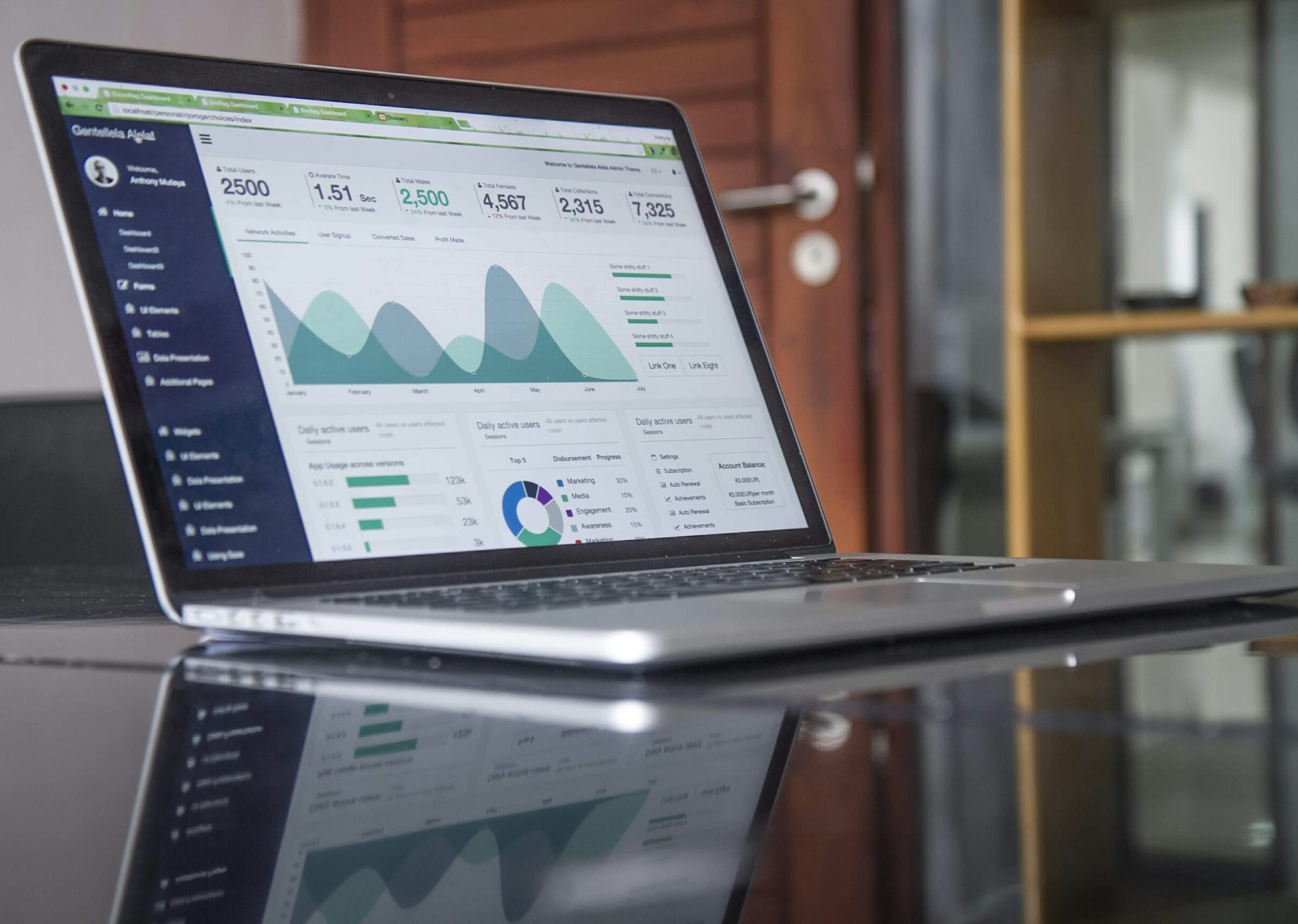
EN 16931 ir struktūrizuoti sąskaitų duomenys: ką tai reiškia apskaitai
EN 16931 yra ES standartas struktūrizuotiems duomenims e-sąskaitose. Jis apibrėžia, kokią informaciją turi turėti elektroninė sąskaita. Straipsnyje paaiškiname, ką standartas reiškia apskaitai ir kaip iš jo naudojasi sm…
EN 16931 ist ein EU-Standard für strukturierte Daten von E-Rechnungen. Er definiert, welche Informationen eine elektronische Rechnung enthalten muss. In diesem Artikel gehen wir darauf ein, was der Standard aus buchhalterischer Sicht bedeutet und wie Kleinunternehmen von strukturierten Daten profitieren.
Strukturierte Daten vs. PDF – warum ist das wichtig?
Eine PDF-Rechnung ist ein von Menschen lesbares Bild. Eine strukturierte Rechnung (z.B. Finvoice, Peppol BIS) sind maschinenlesbare Daten. Der Unterschied ist aus buchhalterischer Sicht erheblich:
| Ominaisuus | PDF-lasku | Rakenteinen lasku |
|---|---|---|
| Tiliöinti | Manuaalinen tai OCR (virhealtis) | Automaattinen sääntöjen perusteella |
| ALV-käsittely | Tarkistettava käsin | ALV-koodit mukana datassa |
| Arkistointi | Erillinen tallennus | Integroituu suoraan kirjanpitoon |
| Hakeminen | Hankala | Helppo (hakukentät) |
| Virheet | Yleisiä (näppäilyvirheet) | Harvinaisia (data siirtyy suoraan) |
„EN 16931 – Zweck des Standards“
EN 16931 ist ein europäischer Standard, der den Mindestdatensatz einer E-Rechnung definiert. Er entstand auf Grundlage der EU-Richtlinie 2014/55/EU und ist für die Rechnungsstellung im öffentlichen Sektor obligatorisch.
Der Standard definiert u. a.:
- Obligatorische Datenfelder (Verkäufer, Käufer, Rechnungsbetrag, MwSt.-Spezifikation)
- Struktur der Rechnungszeilen
- MwSt.-Kategorien und -Codes
- Darstellung von Zahlungsbedingungen
- Verwaltung von Anhängen
Erfahren Sie mehr über die Gesetzgebung zur E-Rechnung in unserem E-Rechnungsartikel.
Vorteile in der Buchhaltung
Wenn Rechnungsdaten in strukturierter Form vorliegen, profitiert die Buchhaltung erheblich davon:
- Automatische Kontierung: Das System kann die Rechnungszeile dem richtigen Buchhaltungskonto zuweisen
- Automatisierte Mehrwertsteuerberechnung: MwSt.-Codes werden direkt aus den Rechnungsdaten übernommen
- Schnellerer Abgleich: Zahlungen werden automatisch Rechnungen zugeordnet
- Verbesserte Berichterstattung: Aus strukturierten Daten können direkt Berichte erstellt werden
- Reduzierung von Fehlern: Keine manuelle Eingabe
Vorbereitung in kleinen Unternehmen
- Stellen Sie sicher, dass Ihre Abrechnungssoftware EN 16931-konforme E-Rechnungen erstellt.
- Führen Sie eine Finanzverwaltungssoftware ein, die strukturierte Rechnungen empfangen und kontieren kann (z.B. Eemel Accounting).
- Bitten Sie Ihre Lieferanten, anstelle von PDF-Rechnungen E-Rechnungen zu senden.
- Aktivieren Sie die automatische Kontierung und die MwSt.-Regeln.
- Nutzen Sie strukturierte Daten für die Berichterstattung.
Erfahren Sie mehr über die Auswirkungen der DSGVO auf die Finanzverwaltung in unserem GDPR-Artikel.
Praxisbeispiel: Bauunternehmen und Bearbeitung von Eingangsrechnungen
Ein kleines Bauunternehmen erhielt früher Einkaufsrechnungen als PDF per E-Mail. Der Buchhalter tippte jede Rechnung manuell in die Buchhaltung ein. Typischerweise betrug die Bearbeitungszeit 5–10 Minuten pro Rechnung.
Umstellung auf den Empfang von strukturierten E-Rechnungen in Eemel Accounting:
- Einkaufsrechnungen kommen als strukturierte Daten direkt in die Software.
- Die automatische Kontierung weist die Rechnung dem richtigen Konto zu.
- Die Bearbeitungszeit sank von 5 Minuten auf unter 1 Minute pro Rechnung.
- Die Bearbeitung der Monatsrechnungen beschleunigte sich insgesamt um etwa 4 Stunden.
Probieren Sie es in der Praxis aus
Eemel Accounting empfängt und kontiert strukturierte E-Rechnungen automatisch. Die Buchhaltung wird effizienter.
Kostenlos startenHäufig gestellte Fragen
Ist EN 16931 für kleine Unternehmen obligatorisch?
Im öffentlichen Sektor ja. Im Privatsektor ist es eine starke Empfehlung und praktisch der Standard für die E-Rechnungsstellung.
Unterstützt Eemel Accounting den Standard EN 16931?
Ja. Eemel unterstützt die Formate Finvoice und Peppol BIS, die EN 16931-konform sind.
Wie reduziert strukturiertes Datenmaterial Fehler?
Daten werden direkt von einem System ins andere übertragen, ohne manuelle Eingabe. Tippfehler und falsche Kontierungen werden erheblich reduziert.
Können PDF-Rechnungen in strukturierte Rechnungen umgewandelt werden?
Die OCR-Technologie kann PDF-Rechnungen lesen, aber das Ergebnis ist fehleranfällig. Eine bessere Lösung ist, Lieferanten direkt um E-Rechnungen zu bitten.
Wie hängt ViDA mit EN 16931 zusammen?
ViDA (VAT in the Digital Age) erfordert strukturierte Rechnungsdaten. EN 16931 ist der Standard, auf dem die ViDA-Anforderungen basieren.
Dieser Artikel ist allgemeiner Natur und stellt keine Rechtsberatung dar.